
Can Bitcoin Be Considered Legal?
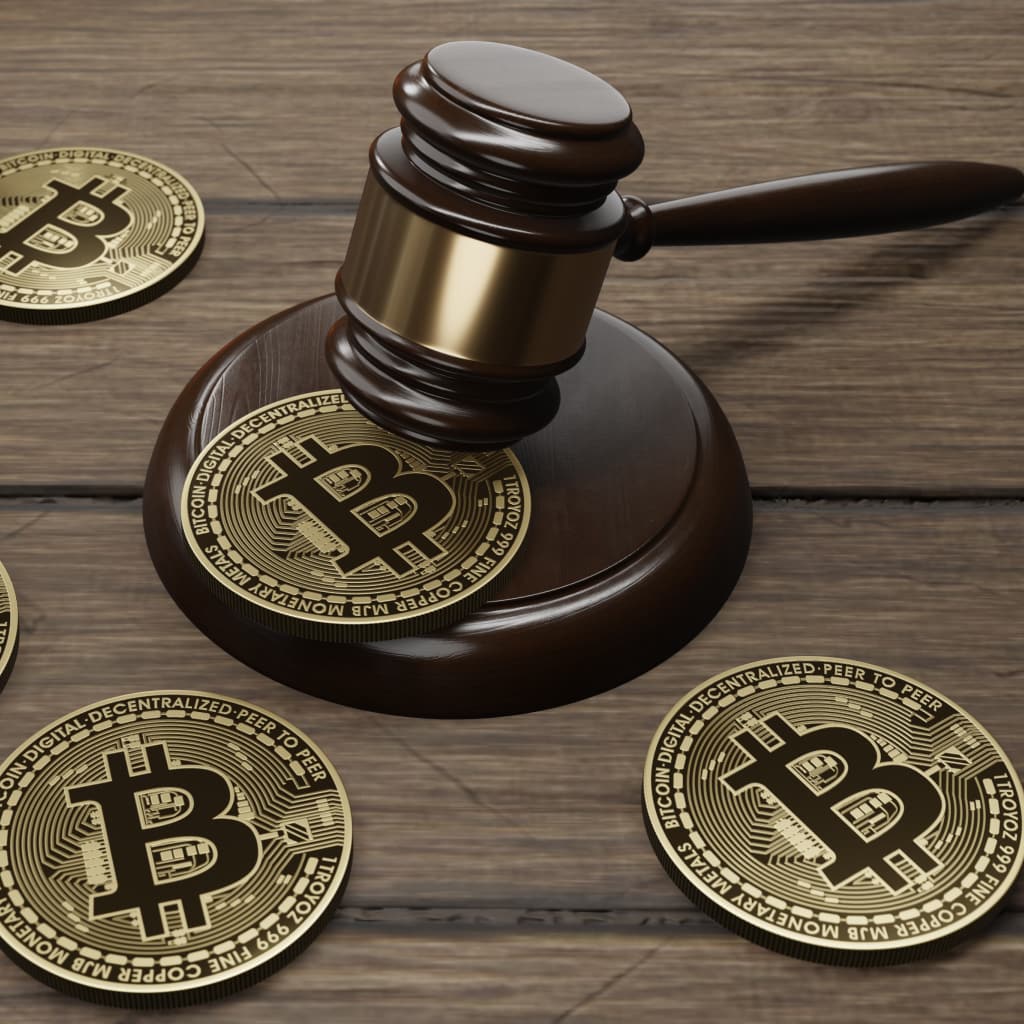
Does Bitcoin Have Legal Standing?
Bitcoin’s legal status varies across different countries and jurisdictions, leading to a complex landscape regarding its legality. Here’s an overview of the factors influencing Bitcoin’s legal standing:
Understanding Legal Definitions:
– Bitcoin’s legal status depends on how it is categorized by governments: currency, commodity, property, or security.
– Classification affects regulations, taxation, and permissible usage.
Country-Specific Regulations:
– Legal status varies widely globally, with some countries embracing Bitcoin, while others impose restrictions or outright bans.
– Some nations recognize Bitcoin as legal tender, allowing its use for goods and services.
– Others regulate Bitcoin as an asset or investment instrument, subjecting it to taxation and financial regulations.
– Certain jurisdictions prohibit or heavily regulate Bitcoin due to concerns over its potential use in illegal activities, money laundering, and tax evasion.
Regulatory Developments:
– Bitcoin’s legal status is influenced by evolving regulations and governmental policies.
– Some countries are implementing clear regulatory frameworks to govern Bitcoin exchanges, trading platforms, and businesses.
– Regulatory clarity promotes mainstream adoption and investor confidence while mitigating risks associated with fraud and illicit activities.
Legal Challenges and Uncertainties:
– Bitcoin’s decentralized nature poses challenges for legal frameworks, as traditional laws may not adequately address its unique characteristics.
– Legal uncertainties persist regarding issues such as taxation, property rights, consumer protection, and liability in case of fraud or loss.
– Court rulings and legislative actions continue to shape Bitcoin’s legal landscape, adding further complexity.
International Cooperation and Standards:
– Efforts to establish international standards and cooperation frameworks are underway to address cross-border legal issues related to Bitcoin.
– Collaboration among regulators, industry stakeholders, and international organizations aims to harmonize regulations and facilitate global Bitcoin transactions.
Conclusion:
– Bitcoin’s legal standing remains dynamic and subject to ongoing developments in regulations, court rulings, and international cooperation.
– Understanding the legal environment surrounding Bitcoin is essential for users, businesses, and policymakers to navigate its opportunities and risks effectively.
Why Is The Legal Position Of Cryptocurrencies Important?
Understanding the legal status of cryptocurrencies is crucial due to its implications on various aspects of society and the economy. Here’s why:
What Causes Countries To Forbid Cryptocurrency?
– Economic Effects:
– Governments may perceive cryptocurrencies as a threat to national currencies and monetary policies, fearing potential destabilization of financial systems.
– Volatility in cryptocurrency prices could impact economic stability and investor confidence, leading authorities to restrict or ban their use.
– Lack Of Regulation:
– Cryptocurrencies operate in a relatively unregulated environment, raising concerns about consumer protection, investor rights, and financial transparency.
– Without clear regulatory frameworks, cryptocurrencies may be susceptible to fraud, scams, and market manipulation.
– Criminal Potential:
– Cryptocurrencies have been associated with illicit activities such as money laundering, terrorist financing, and cybercrime due to their pseudonymous nature and decentralized infrastructure.
– Governments may ban cryptocurrencies to combat criminal activities and safeguard national security interests.
– Policy Hurdles:
– The decentralized nature of cryptocurrencies presents challenges for traditional regulatory frameworks, making it difficult for governments to enforce compliance and oversight.
– Policy hurdles arise from conflicts between privacy rights, financial regulations, and technological innovations, complicating efforts to establish clear legal guidelines.
– Tax Avoidance:
– Cryptocurrencies offer anonymity and privacy features that can be exploited for tax evasion and money laundering purposes.
– Governments may restrict or ban cryptocurrencies to prevent tax avoidance and ensure compliance with tax laws.
– Market Volatility:
– Cryptocurrency markets are highly volatile, characterized by rapid price fluctuations and speculative trading.
– Regulatory uncertainty and market manipulation exacerbate volatility, posing risks to investors and financial stability.
Understanding these factors helps policymakers, businesses, and individuals navigate the legal landscape surrounding cryptocurrencies effectively. Clear regulations provide clarity, promote innovation, and foster trust in the cryptocurrency ecosystem, benefiting all stakeholders involved.
Can Bitcoin Be Considered Legal Currency?
Bitcoin’s legal status as a currency varies from country to country and is subject to ongoing debate and regulatory developments. Here are key considerations regarding Bitcoin’s legality:
Regulatory Recognition:
– Many countries do not officially recognize Bitcoin as legal tender but may regulate its use and trading activities.
– Some jurisdictions have classified Bitcoin as a commodity, digital asset, or property rather than traditional currency.
Legal Tender Status:
– Legal tender status grants a currency official recognition by the government for settling debts and conducting transactions.
– Bitcoin lacks legal tender status in most countries, meaning merchants are not obligated to accept it as payment, and debts can’t be settled using Bitcoin alone.
Regulatory Frameworks:
– Governments worldwide are developing regulatory frameworks to address the use and trading of cryptocurrencies like Bitcoin.
– Regulatory approaches range from outright bans to comprehensive licensing and oversight regimes.
Taxation:
– Taxation policies regarding Bitcoin vary by jurisdiction and may include capital gains taxes, income taxes, and value-added taxes (VAT).
– Tax authorities are increasingly scrutinizing Bitcoin transactions to ensure compliance with tax laws.
Legal Challenges:
– Bitcoin’s decentralized nature and global reach pose challenges for traditional legal systems to enforce regulations and resolve disputes.
– Legal ambiguity surrounding Bitcoin’s classification and regulation creates uncertainty for businesses and consumers alike.
Money Laundering and Fraud:
– Bitcoin’s pseudonymous nature has raised concerns about its potential use in illicit activities such as money laundering, terrorism financing, and fraud.
– Regulatory efforts aim to mitigate these risks by implementing anti-money laundering (AML) and know-your-customer (KYC) requirements for cryptocurrency exchanges and service providers.
Legal Recognition:
– Despite its legal complexities, Bitcoin has gained increasing recognition as a legitimate asset class and investment vehicle.
– Institutional adoption, regulatory clarity, and mainstream acceptance contribute to Bitcoin’s evolving legal status and acceptance in the global financial ecosystem.
Bitcoin And Tax Obligations
Taxation of Bitcoin transactions is a complex and evolving area, with regulations varying significantly between jurisdictions. Here are key considerations regarding Bitcoin and tax obligations:
Taxable Events:
– Tax authorities typically consider various Bitcoin transactions as taxable events, including buying, selling, trading, mining, and receiving Bitcoin as payment for goods or services.
– Capital gains tax may apply to profits generated from the sale or exchange of Bitcoin, calculated based on the difference between the purchase price and the selling price.
Income Tax:
– Income tax implications arise when Bitcoin is received as income, such as wages, salaries, mining rewards, or payments for services rendered.
– Taxpayers are generally required to report Bitcoin income on their tax returns and pay taxes based on the fair market value of the Bitcoin received at the time of receipt.
Reporting Requirements:
– Taxpayers may be required to report Bitcoin transactions exceeding certain thresholds to tax authorities, such as the IRS in the United States.
– Failure to report Bitcoin transactions accurately and timely may result in penalties, fines, or legal consequences.
Record-Keeping:
– Taxpayers engaging in Bitcoin transactions are advised to maintain detailed records of their activities, including dates, transaction amounts, counterparties, and the purpose of the transaction.
– Proper record-keeping facilitates accurate tax reporting and helps taxpayers substantiate their transactions in case of an audit or inquiry by tax authorities.
Tax Treatment of Losses:
– Taxpayers may be able to offset Bitcoin capital losses against capital gains to reduce their tax liability.
– Losses resulting from theft, hacking, or other unauthorized access to Bitcoin wallets may also be deductible under certain circumstances, subject to specific tax rules.
International Taxation:
– Cross-border Bitcoin transactions may trigger additional tax considerations, such as withholding tax obligations, foreign reporting requirements, and potential double taxation issues.
– Taxpayers engaging in international Bitcoin transactions should seek guidance from tax professionals familiar with international tax law and regulations.
Regulatory Compliance:
– As governments enhance their oversight of cryptocurrency transactions, taxpayers are advised to stay informed about changes in tax laws and regulations affecting Bitcoin.
– Seeking advice from qualified tax professionals can help taxpayers navigate the complexities of Bitcoin taxation and ensure compliance with applicable tax laws.
Are Bitcoin Transactions Safe?
Bitcoin transactions are generally considered secure due to the underlying blockchain technology and cryptographic protocols. Here’s an in-depth look at the safety of Bitcoin transactions:
Decentralization and Immutability:
– The Bitcoin network operates on a decentralized ledger called the blockchain, which is distributed across thousands of nodes worldwide.
– Each transaction is recorded on the blockchain in a transparent and immutable manner, making it nearly impossible to alter or tamper with transaction data once confirmed.
Cryptographic Security:
– Bitcoin transactions are secured using cryptographic techniques, including public-key cryptography and digital signatures.
– Public and private keys are used to authenticate and authorize transactions, ensuring that only the rightful owner of Bitcoin can initiate transactions from their wallet.
Transaction Verification:
– Bitcoin transactions are validated and confirmed by miners, who compete to solve complex mathematical puzzles in a process known as mining.
– Once a transaction is included in a block and added to the blockchain, it becomes irreversible, providing finality and certainty to the transaction process.
Protection Against Fraud:
– Bitcoin transactions are pseudonymous, meaning that wallet addresses are not directly linked to users’ real-world identities.
– While Bitcoin transactions are transparent and traceable on the blockchain, the identities of users behind wallet addresses are not easily discernible, providing a degree of privacy and protection against identity theft.
Security Best Practices:
– Users can enhance the security of their Bitcoin transactions by following best practices such as using hardware wallets, employing strong passwords and multi-factor authentication (MFA), and keeping their private keys secure.
– Additionally, staying vigilant against phishing attacks, malware, and other cybersecurity threats is essential to safeguarding Bitcoin holdings and transactions.
Network Resilience:
– The Bitcoin network has demonstrated resilience and uptime since its inception, with minimal downtime or disruptions to transaction processing.
– Despite occasional network congestion or scalability challenges, the Bitcoin protocol has proven robust and reliable in facilitating secure peer-to-peer transactions.
Overall, while Bitcoin transactions offer a high level of security and robustness, users should remain vigilant and proactive in implementing security measures to protect their digital assets and ensure safe transactions on the Bitcoin network.
As of now, the legal status of Bitcoin and cryptocurrencies varies greatly across different countries and regions. Let’s delve into the complexities surrounding the legality of Bitcoin, cryptocurrency regulation, and its implications:
Is Bitcoin Legal?
The legality of Bitcoin is a topic of ongoing debate and scrutiny worldwide. While some countries embrace Bitcoin as a legitimate form of currency or asset, others impose restrictions or outright bans on its use. Here’s a closer look at the legal landscape:
Cryptocurrency Regulation:
Governments and regulatory bodies worldwide are grappling with how to regulate cryptocurrencies effectively. Some countries have enacted comprehensive regulatory frameworks to govern the use of digital assets, while others have taken a more cautious or restrictive approach.
Is Cryptocurrency Legal?
The legality of cryptocurrencies varies from country to country. While some nations have embraced cryptocurrencies and legalized their use for various purposes, others have implemented strict regulations or outright bans. It’s essential to understand the legal status of cryptocurrencies in your jurisdiction before engaging in any transactions.
Countries with Digital Currency:
Several countries have explored the concept of central bank digital currencies (CBDCs) or launched their digital currencies. These digital currencies are issued and regulated by central banks and aim to provide a secure and efficient means of digital payments.
Is Bitcoin Illegal?
While Bitcoin is legal in many countries, some nations have imposed restrictions or outright bans on its use. Reasons for such restrictions may include concerns about money laundering, tax evasion, and the potential for illicit activities associated with cryptocurrencies.
Bitcoin Gambling and Crypto Gambling:
The legality of Bitcoin gambling and crypto gambling also varies depending on the jurisdiction. While some countries permit online gambling with cryptocurrencies, others have strict regulations or prohibitions in place. It’s essential to understand the legal implications of gambling with Bitcoin or cryptocurrencies in your region.
Bitcoin Legal:
In countries where Bitcoin is legal, individuals and businesses can buy, sell, and transact with Bitcoin freely. However, it’s crucial to comply with applicable regulations and taxation laws to avoid legal repercussions.
In conclusion, the legal status of Bitcoin and cryptocurrencies continues to evolve as governments and regulatory bodies grapple with the challenges and opportunities presented by digital assets. It’s essential for users to stay informed about the regulatory environment in their respective countries and adhere to legal requirements when engaging in cryptocurrency-related activities.
FAQs
-
What countries have banned Bitcoin?
While Bitcoin is legal in many countries, some have imposed restrictions or outright bans. Countries like Algeria, Bolivia, Nepal, and Pakistan have banned Bitcoin.
-
Can I legally buy and sell Bitcoin?
Yes, in most countries where Bitcoin is legal, you can buy and sell it through various online platforms, exchanges, or peer-to-peer networks.
-
How do tax laws apply to Bitcoin?
Tax laws regarding Bitcoin vary by country. In many jurisdictions, Bitcoin transactions are subject to taxation, similar to other forms of income or capital gains. It’s essential to report Bitcoin transactions accurately to comply with tax laws.
-
Can Bitcoin be considered legal tender?
While Bitcoin is widely accepted as a form of payment by many businesses and individuals, it is not considered legal tender in most countries. Legal tender refers to currency recognized by law as acceptable for settling debts and transactions.
-
What are the legal implications of mining Bitcoin?
The legal implications of mining Bitcoin depend on the jurisdiction. In some countries, mining Bitcoin is legal and regulated, while in others, it may be subject to restrictions or require permits. Miners must comply with applicable laws and regulations governing energy consumption, environmental impact, and taxation.
-
How do governments regulate Bitcoin?
Governments regulate Bitcoin through various means, including legislation, taxation, licensing requirements for exchanges and mining operations, and enforcement actions against illegal activities involving Bitcoin. Regulation aims to address concerns such as money laundering, tax evasion, consumer protection, and financial stability.