
Best Bitcoin Wallets for Starters
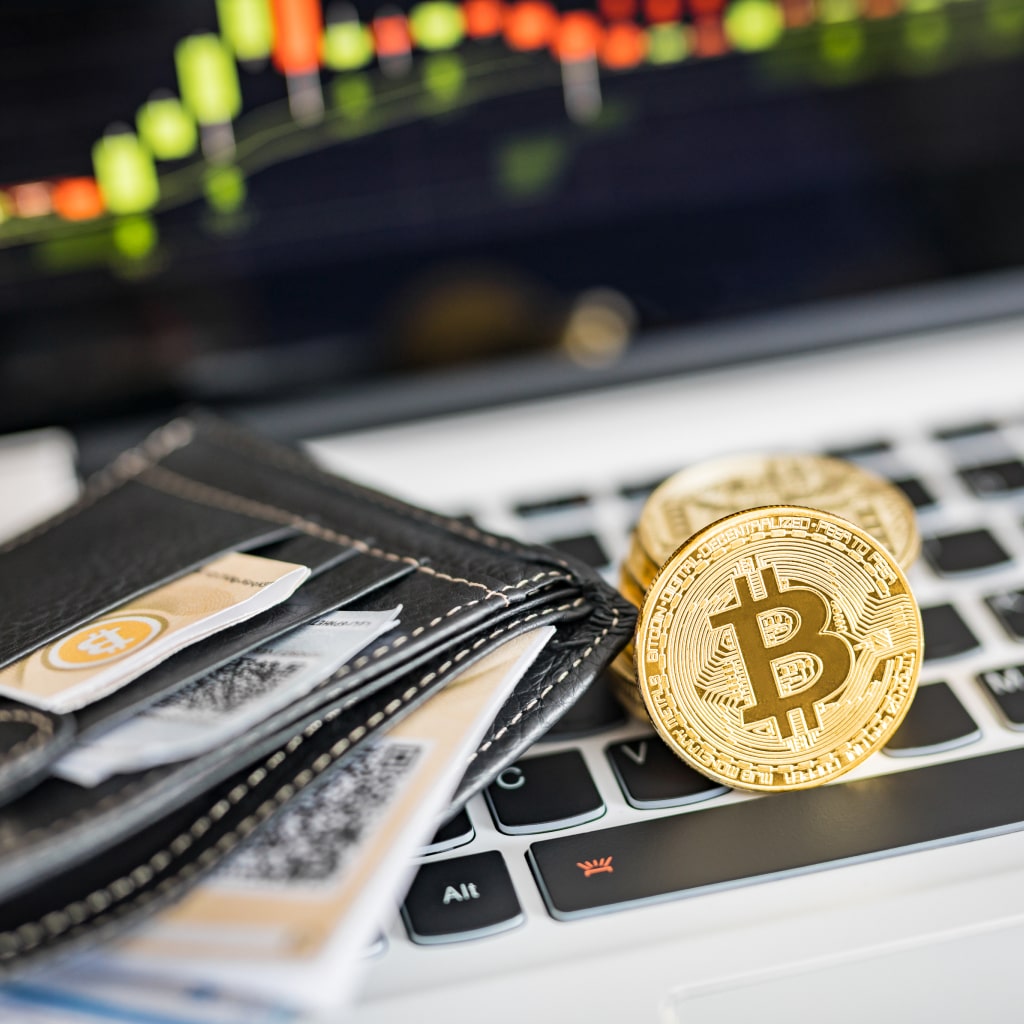
Best Bitcoin And Crypto Wallets
What Is A Bitcoin Wallet?
A Bitcoin wallet is a digital tool that allows users to store, send, and receive Bitcoin and other cryptocurrencies securely. It functions similarly to a physical wallet but operates in the digital realm. Each wallet has a unique address, which serves as the destination for receiving Bitcoin transactions.
Bitcoin wallets come in various forms, including software wallets, hardware wallets, paper wallets, and mobile wallets. Software wallets are applications installed on computers or mobile devices, while hardware wallets are physical devices that store cryptocurrency offline. Paper wallets involve printing out the public and private keys on a piece of paper, while mobile wallets are apps designed for use on smartphones.
How Can A Bitcoin Wallet Benefit You?
- Secure Storage: Bitcoin wallets provide a secure way to store your cryptocurrency holdings. With proper security measures in place, such as encryption and two-factor authentication, wallets offer protection against unauthorized access.
- Convenient Transactions: Bitcoin wallets enable users to send and receive Bitcoin quickly and conveniently. Whether you’re making purchases online or sending funds to friends and family, wallets streamline the transaction process.
- Ownership Control: With a Bitcoin wallet, you have full control over your cryptocurrency holdings. Unlike traditional financial institutions, which may impose restrictions on account access, wallets give you the freedom to manage your funds as you see fit.
- Portfolio Management: Many Bitcoin wallets come with features that allow users to track their cryptocurrency portfolio. By monitoring transaction history and viewing real-time balances, you can keep a close eye on your investments.
- Accessibility: Bitcoin wallets are accessible from anywhere with an internet connection. Whether you’re at home, at work, or on the go, you can easily access your wallet and manage your cryptocurrency holdings.
Overall, a Bitcoin wallet serves as a crucial tool for anyone looking to enter the world of cryptocurrency. By providing secure storage, convenient transactions, ownership control, portfolio management, and accessibility, wallets offer numerous benefits to users seeking to engage with Bitcoin and other cryptocurrencies.
Types Of Bitcoin Wallets
Hot Wallets
Hot wallets are cryptocurrency wallets that are connected to the internet, making them convenient for frequent transactions but potentially more vulnerable to hacking attempts. Here are some examples:
– Web-Based Wallets: These wallets are accessible through web browsers and are hosted by third-party service providers. Users can access their funds from any device with an internet connection. Examples include Coinbase Wallet and Blockchain.info.
– Desktop Wallets: Desktop wallets are software applications installed on a desktop or laptop computer. They provide users with full control over their private keys and offer a higher level of security compared to web-based wallets. Examples include Electrum and Exodus.
– Mobile Wallets: Mobile wallets are applications designed for use on smartphones and tablets. They offer convenience and portability, allowing users to access their funds on the go. Mobile wallets can be either custodial, where the private keys are managed by a third party, or non-custodial, where the user controls their own keys. Examples include Trust Wallet and Mycelium.
Cold Wallets
Cold wallets are offline storage solutions that offer enhanced security by keeping private keys offline, away from potential cyber threats. Here are some examples:
– Paper Wallets: Paper wallets involve printing out the public and private keys on a piece of paper, which can then be stored securely offline. While paper wallets offer high security, they require careful handling to prevent loss or damage. Tools like BitcoinPaperWallet.com and Bitaddress.org facilitate the creation of paper wallets.
– Hardware Wallets: Hardware wallets are physical devices that store cryptocurrency private keys offline. They are considered one of the most secure options for storing large amounts of cryptocurrency due to their air-gapped nature. Hardware wallets typically come with built-in security features such as PIN protection and encryption. Examples include Ledger Nano S, Trezor, and KeepKey.
What Is A Paper Wallet?
A paper wallet is a form of cold storage where the user generates and prints their private and public keys onto a physical piece of paper. These wallets are typically created offline for enhanced security and protection against online threats.
What Is A Desktop Wallet?
A desktop wallet is a type of software wallet that is installed and run on a desktop or laptop computer. It provides users with a way to store and manage their cryptocurrency holdings securely. Desktop wallets offer a higher level of security compared to web-based wallets since they are not reliant on a third-party service.
What Is A Hardware Wallet?
A hardware wallet is a physical device that stores the user’s private keys offline, providing a high level of security for cryptocurrency storage. These wallets are often referred to as “cold storage” devices because they are not connected to the internet when not in use. Hardware wallets are considered one of the safest options for storing large amounts of cryptocurrency due to their offline nature and built-in security features.
How To Select The Best Bitcoin Wallet For Beginners
Key Factors In Choosing A Crypto Wallet
– Safety Features: Look for wallets that offer robust security measures such as two-factor authentication (2FA), biometric authentication, and encryption of private keys. Ensure that the wallet has a track record of protecting users’ funds from hacking attempts and breaches.
– User-Friendly Design: Beginners should opt for wallets with intuitive user interfaces and simple navigation. A user-friendly design makes it easier to manage transactions, view balances, and access additional features without confusion.
– Compatibility With Devices: Choose a wallet that is compatible with the devices you commonly use, whether it’s a desktop computer, smartphone, or tablet. Ensure that the wallet offers cross-platform support to seamlessly access your funds from various devices.
– Backup & Restore Functions: A good Bitcoin wallet should provide robust backup and restore functions to safeguard against data loss. Look for wallets that offer options for securely backing up your wallet’s seed phrase or private keys and easy restoration in case of device loss or failure.
– Privacy Concerns: Consider the privacy features offered by the wallet, such as support for anonymous transactions or tools for enhancing privacy like coin mixing. Pay attention to the wallet’s privacy policy and whether it collects any unnecessary user data.
– Wallet Reputation: Research the reputation of the wallet provider within the cryptocurrency community. Look for reviews, ratings, and user feedback to gauge the reliability and trustworthiness of the wallet. Choose wallets from reputable and well-established companies to minimize risks.
By considering these key factors, beginners can select a Bitcoin wallet that meets their needs in terms of security, usability, compatibility, privacy, and reputation.
Bitcoin Wallets And Security
Two-Factor Authentication (2FA)
Two-factor authentication (2FA) is an additional layer of security that helps protect Bitcoin wallets from unauthorized access. It requires users to provide two different authentication factors to verify their identity. Common methods of 2FA include SMS codes, authenticator apps, hardware tokens, or biometric authentication. By enabling 2FA, users add an extra barrier against unauthorized access, even if their password is compromised.
MultiSignature Wallets
MultiSignature (Multisig) wallets require multiple private keys to authorize a Bitcoin transaction. Typically, a multisig wallet involves more than one party, each holding a unique private key. For a transaction to be executed, a predetermined number of these keys must be used collectively. Multisig wallets enhance security by distributing control over funds among multiple parties, reducing the risk of a single point of failure or theft.
Regular Backups
Regularly backing up your Bitcoin wallet is essential to safeguard against data loss or hardware failures. Backups typically involve saving a copy of your wallet’s private keys or seed phrase in a secure location, such as a hardware wallet, encrypted USB drive, or paper. By creating backups at regular intervals, users can restore their wallet and access their funds in case of device loss, damage, or theft.
Software Updates
Regularly updating Bitcoin wallet software is crucial to maintaining security and staying protected against vulnerabilities and exploits. Wallet providers frequently release updates to patch security flaws, improve performance, and introduce new features. Users should stay vigilant and promptly install any available updates to ensure their wallet remains secure and up-to-date with the latest security enhancements.
By implementing these security measures, Bitcoin wallet users can enhance the protection of their funds and minimize the risk of unauthorized access or loss.5) Summary
In the world of cryptocurrency, a Bitcoin wallet or crypto wallet serves as your digital vault, allowing you to store, send, and receive various cryptocurrencies securely. With the rising popularity of digital assets, choosing the best crypto wallet or best Bitcoin wallet becomes crucial for managing your funds effectively.
A wallet address for Bitcoin or any other cryptocurrency is a unique identifier associated with your wallet, similar to a bank account number. It’s a combination of letters and numbers used to send or receive digital assets. Each cryptocurrency has its unique address format, and it’s essential to ensure accuracy when inputting addresses to avoid loss of funds.
Bitcoin cash wallet is specifically designed to store and manage Bitcoin Cash (BCH), a fork of the original Bitcoin blockchain. It offers similar functionalities to a standard Bitcoin wallet but is tailored to support the Bitcoin Cash cryptocurrency.
For those prioritizing privacy, an anonymous Bitcoin wallet or anonymous crypto wallet becomes essential. These wallets focus on preserving user anonymity by implementing features such as Tor support, coin mixing, or generating new addresses for each transaction.
Creating a crypto wallet is a straightforward process. You can choose from various wallet types, including hot wallets (online wallets accessible via web or mobile) and cold wallets (offline storage solutions like hardware wallets or paper wallets). To make a crypto cold wallet, for instance, you would typically generate a wallet address and private key offline, ensuring maximum security against online threats.
When it comes to selecting the best crypto wallets, factors such as security features, user interface, supported cryptocurrencies, and reputation play a significant role. It’s crucial to conduct thorough research and choose a reputable wallet provider with a track record of security and reliability.
In summary, a Bitcoin wallet or crypto wallet is an indispensable tool for managing your digital assets securely. Whether you’re looking for the best crypto wallet for daily transactions or an anonymous Bitcoin wallet for enhanced privacy, understanding wallet functionalities and choosing the right one is paramount in the world of cryptocurrency.
FAQs
-
How do beginners set up a Bitcoin wallet?
Setting up a Bitcoin wallet is relatively straightforward. You can choose between different types of wallets, such as online (hot) wallets or hardware (cold) wallets. For online wallets, you typically need to sign up on a platform, create an account, and generate your wallet address. Hardware wallets require purchasing a physical device and following the setup instructions provided.
-
What varieties of Bitcoin wallets exist?
There are several types of Bitcoin wallets available, each with its unique features and security levels. The main categories include:
Hot Wallets: These are online wallets accessible via web or mobile apps.
Cold Wallets: Offline storage solutions that provide enhanced security by keeping your private keys offline.
Hardware Wallets: Physical devices designed to store your Bitcoin offline, providing maximum security.
Paper Wallets: Physical documents containing your public and private keys printed on paper. -
How can I ensure my Bitcoin wallet is secure?
Ensuring the security of your Bitcoin wallet is essential to protect your funds from unauthorized access. Here are some security measures to consider:
Use Strong Passwords: Set a strong and unique password for your wallet to prevent unauthorized access.
Enable Two-Factor Authentication (2FA): Add an extra layer of security by enabling 2FA on your wallet account.
Keep Your Private Keys Secure: Safeguard your private keys and never share them with anyone.
Regularly Update Software: Keep your wallet software up to date to protect against potential vulnerabilities.
Backup Your Wallet: Create regular backups of your wallet data and store them securely in multiple locations. -
What’s the difference between hot and cold Bitcoin wallets?
The primary difference between hot and cold Bitcoin wallets lies in their connectivity to the internet.
Hot Wallets: These are connected to the internet and are convenient for frequent transactions. However, they are more susceptible to hacking and cyber attacks.
Cold Wallets: Cold wallets are offline storage solutions, offering enhanced security as they are not connected to the internet. They are ideal for long-term storage of large amounts of Bitcoin. -
Is it possible to have several Bitcoin wallets, and what are the benefits?
Yes, it’s possible to have multiple Bitcoin wallets for different purposes. Some benefits of having multiple wallets include:
Segregation of Funds: Keeping funds separate for different purposes, such as savings and daily transactions.
Enhanced Security: Diversifying your funds across multiple wallets can reduce the risk of losing all your Bitcoin in case of a security breach.
Privacy: Using different wallets for different transactions can enhance privacy and anonymity.
Backup: Having multiple wallets ensures redundancy and provides backup options in case one wallet becomes inaccessible.